
tips
Type in a keyword for what you would like to find :

A Few Tricks & Tips
Just a list of my favourite few tips and techniques. I hope they come in handy. Ed

Non-Stick Lids
A problem with firing pots sometimes is that their lids can get stuck on from the glaze or firing process. To avoid this happening use Vaseline to line the rims of the pot and lid.

Speed Dry Your Clay
Don’t throw trimmings into a plastic container and let them sit for a week or so to dry before reclaiming. Reclaiming works best when the clay is bone dry. Here is a simple technique to speed the drying process.
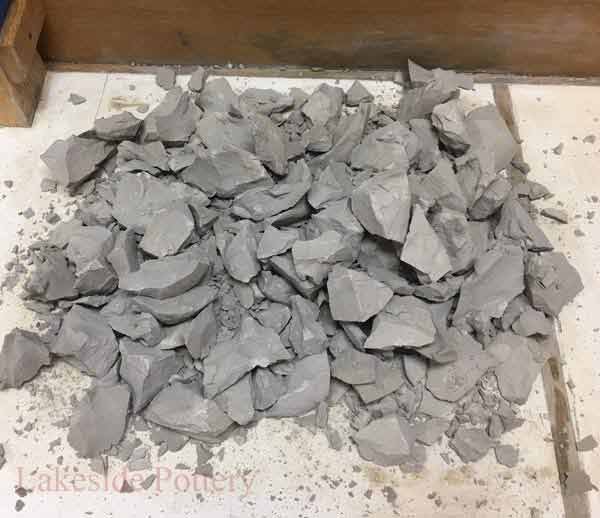
Recycling Dried Clay Scraps or Blocks of Clay
You will need a solid surface to work on, a hammer, eye protection glasses, a 9 litre bucket, water, plastic bags (about bread loaf size) and a bit of muscle for wedging.

Is It Ceramics or Pottery?
Technically speaking, ceramics are things made from non-metal materials that are permanently changed when they’re heated. The classic example is clay: even a completely dry clay product will disintegrate in water

Speed Kills
The speed of your wheel is so important. The wheel needs to start out fast and gradually get slower. Centring should be done with your wheel at full speed. This feels counterintuitive at first, but - the faster your wheel is going the easier it is.

Burnishing A Pot
Burnishing clay is a technique that gives pottery a smooth sheen without using a ceramic glaze. It involves rubbing the clay with a hard object, like a smooth pebble or the back of a spoon.

Sanding bone dry pottery
A good alternative to sandpaper is to use an old green scrubbing pad from the kitchen. When these have been well used, they become soft and floppy, and make a nice flexible sanding tool.

Preparing Your Pottery For Exhibitions
Want to stand out with the presentation of your pottery for the exhibition – follow these 5 steps to take your pottery from beautiful to excellent.

Tips to reconstitute your work
Need to start working on a ceramic piece but find that the clay has become too hard to manipulate. Use these options to restore the plasticity of the clay so that you can continue working.

Tips for Drying Your Work Evenly
This is a handy list of tips for drying various types of ceramics

Wrap Your Edges!
Thinner, or completely surrounded by air, edges are a vulnerable area where fast or uneven drying can cause warping and cracking. To protect thin edges, tear up plastic strips and place them on the rims of still damp pots

Common Glaze Problems
This is a list of the most common glazing defects you might come across. Part of the unique charm with ceramics is that there are so many things that can go wrong, so feel free create your own.
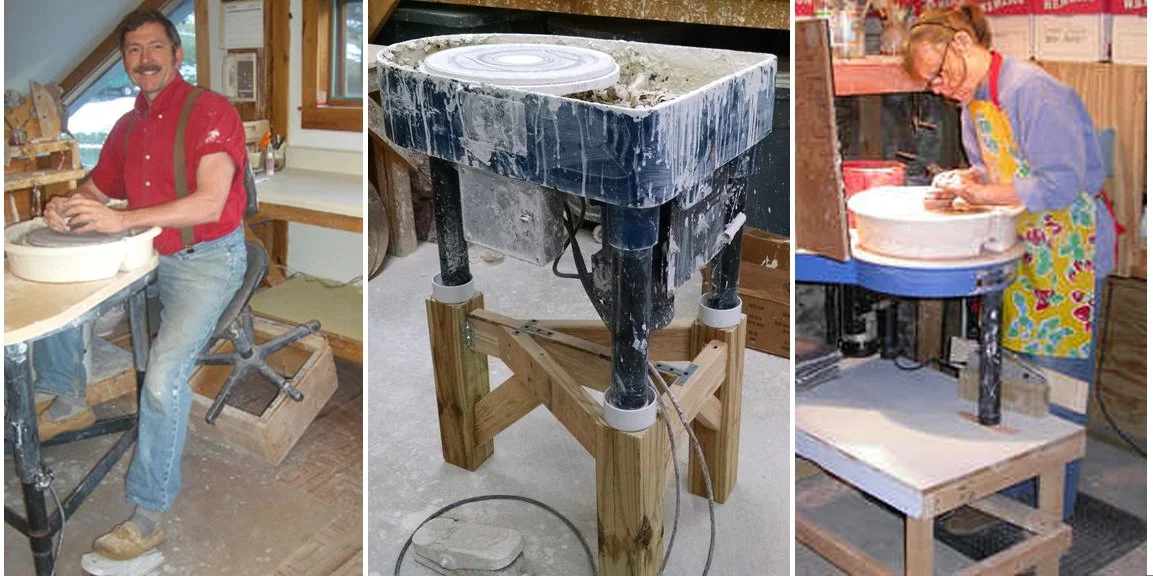
Good Posture On The Wheel
One of the biggest things that you need to keep in mind as a potter is to watch your posture when working on the wheel. Bad posture can result in the following:

Jaw Dropping Glaze Painting Technique
Here’s an insane way to apply glaze. Try not to hold your breath as you watch Mayuki Kato add the glaze. She uses the surface friction of the pencil outlines to contain the liquid glaze until it dries.
Button texture stamps
Here’s a clever idea to decorate your work. Make a collection of texture stamps from buttons glued onto the ends of corks. That way they can be stamped repeatedly as the cork makes them easy to handle.

Texturing Tool for Hand Building
Texturing clay edges prior to joining can be a time-consuming job but not with this little invention. Buy a small rubber furniture castor from your local hardware shop (make sure it is rubber and not plastic) and insert wire staples, evenly around the wheel so it creates a tread.

Smooth Rounded Rims
This is a smoothing tool that money can’t buy - a plastic bag or plastic wrap folded in half to make a super finishing tool for wet thrown rims. The folded edge bent over the rim, rounds and smooths the edge in a few revolutions of the wheel.

How to Throw Taller Pots
Use a Strong Point of Contact: Some potters prefer to throw with their fingertips when they throw smaller pots like mugs or cups. They get a better feel of the wall thickness that way.
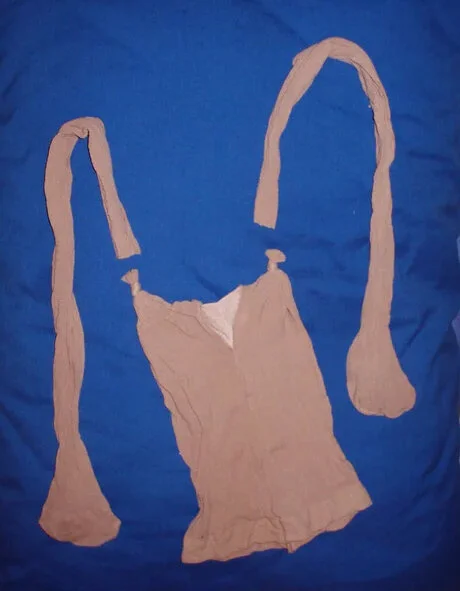
High Fashion Sieves?
Stockings of assorted ‘gauges’ are flexible, washable (or cheap enough to throw away) and fine or coarse enough for most clay and glaze sieving needs. Tie knots at the top of the legs, then cut the legs off. The pantyhose section will also fit over a bucket for larger sieve batches.