
tips
Type in a keyword for what you would like to find :
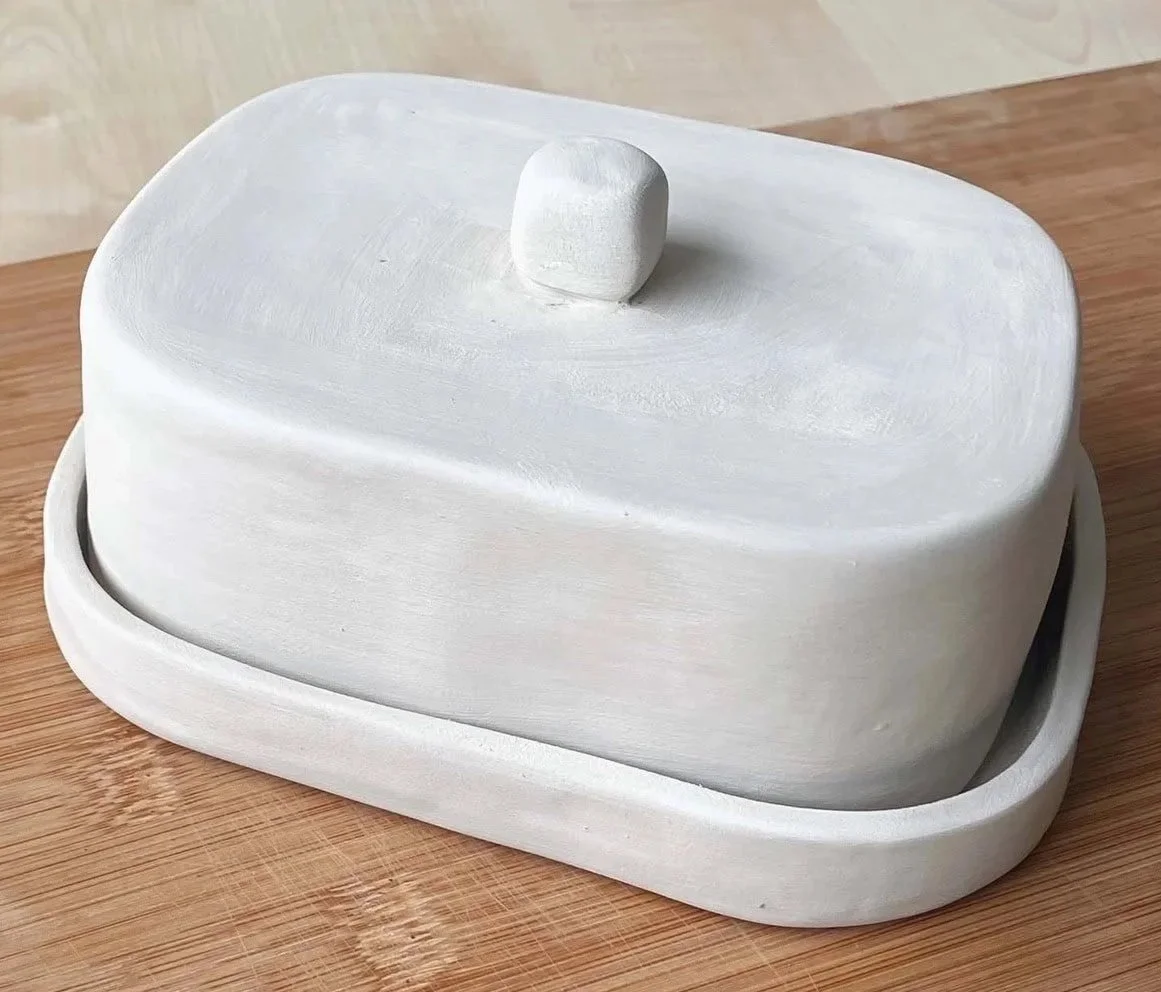
What is the Slab Technique?
The slab technique involves forming clay into flat pieces or ‘slabs’, usually by rolling. These slabs are then manipulated and assembled to create a variety of shapes. Sounds easy, but wait until you get your hands dirty!…
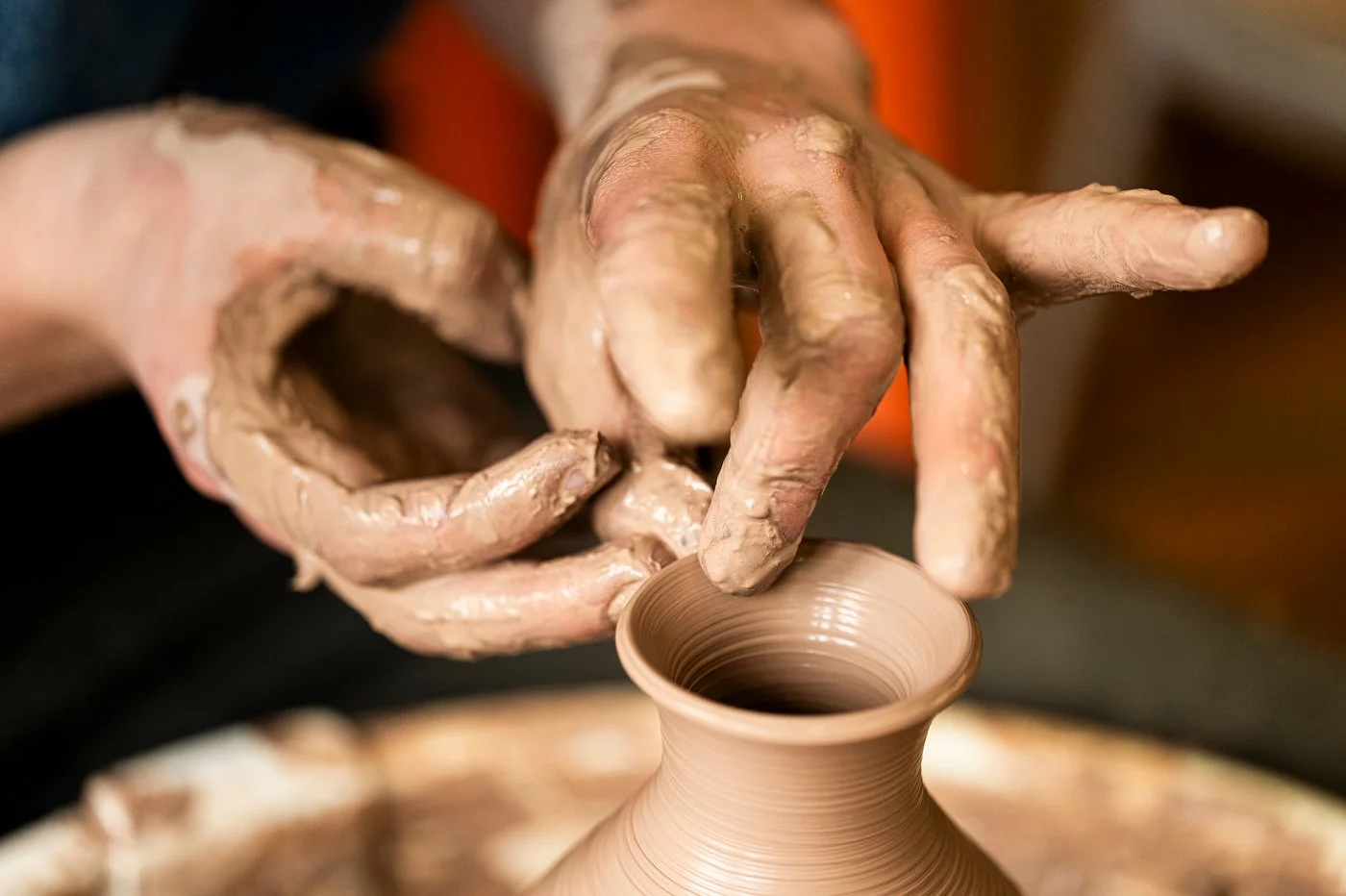
Is Pottery Good for Anxiety?
Is pottery good for anxiety?
Pottery is incredibly good for anxiety. The rhythmic, tactile nature of working with clay acts as a form of meditation that keeps you in the present moment. Studies show that just 45 minutes of clay creation can significantly lower your levels of cortisol, the body's primary stress hormone…
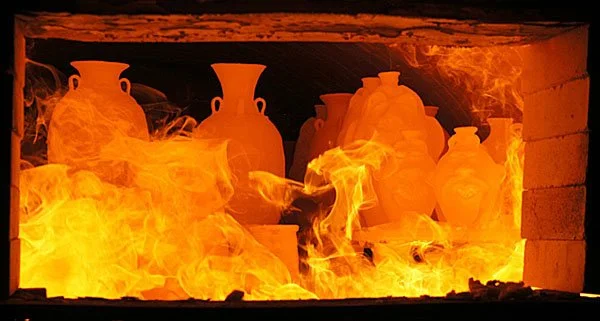
What is Firing?
Pottery firing generally requires two stages in a kiln: a bisque fire to harden the clay and a glaze fire to melt the glaze and vitrify the clay. Below are the firing ranges in Celsius and Cone numbers of each of the main firing types:…
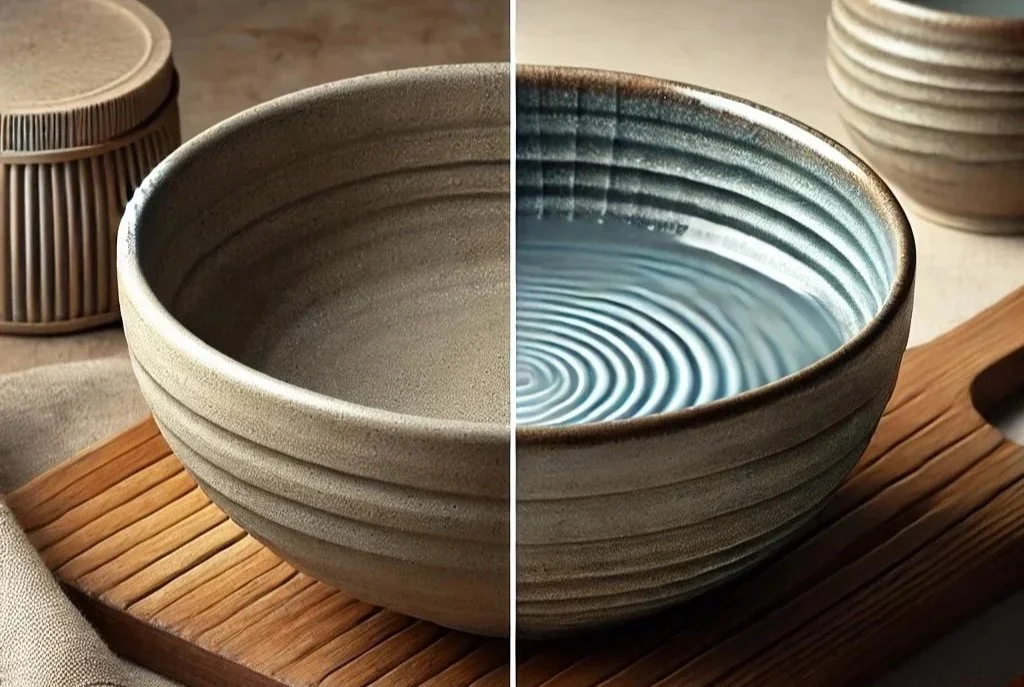
What is a glaze?
Ceramic glaze, or simply glaze, is a glassy coating on ceramics. It is used for decoration, to ensure the item is impermeable to liquids and to minimize the adherence of pollutants…
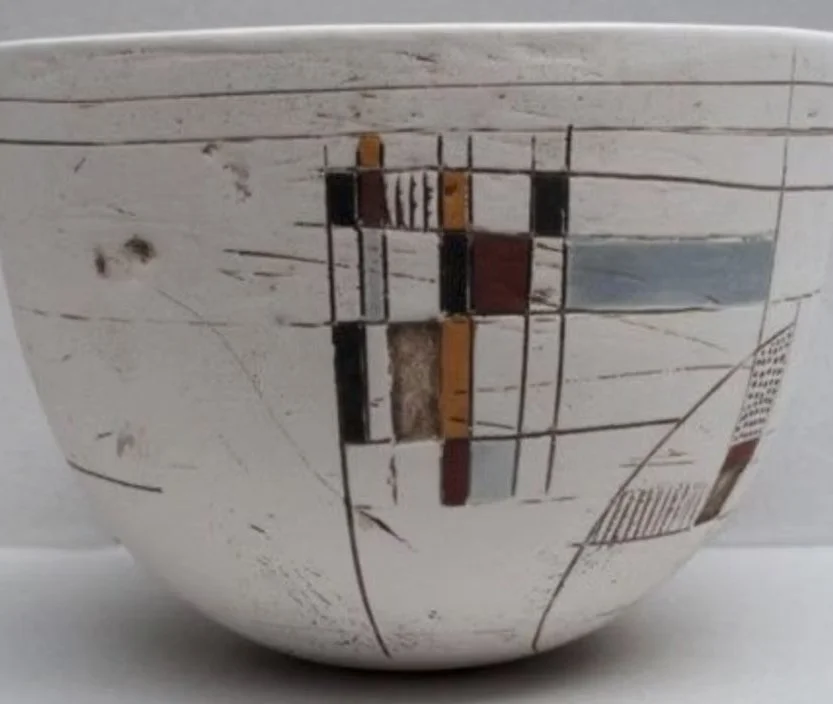
What is an Underglaze?
Pottery underglaze is a coloured, matte coating applied to greenware (unfired clay) or bisque-fired pottery before applying a clear top glaze. It acts like specialised paint…
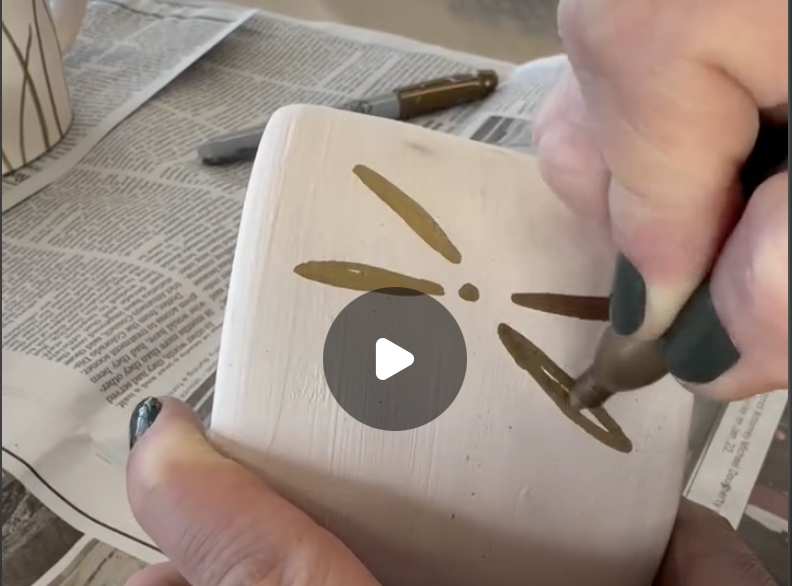
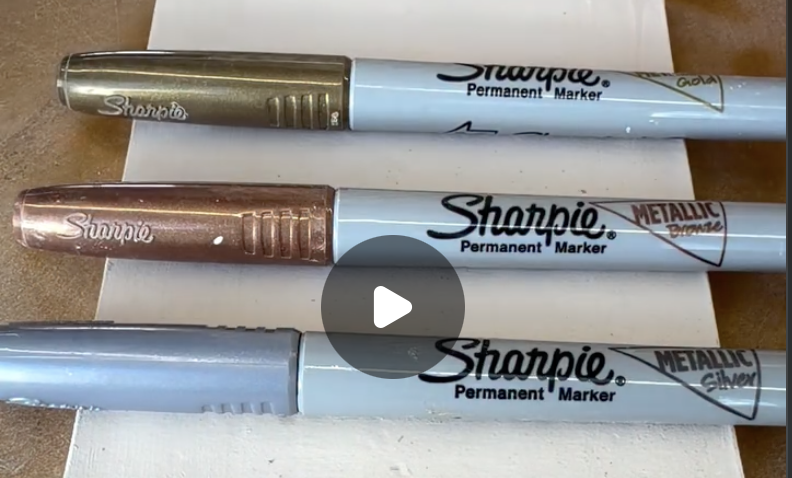
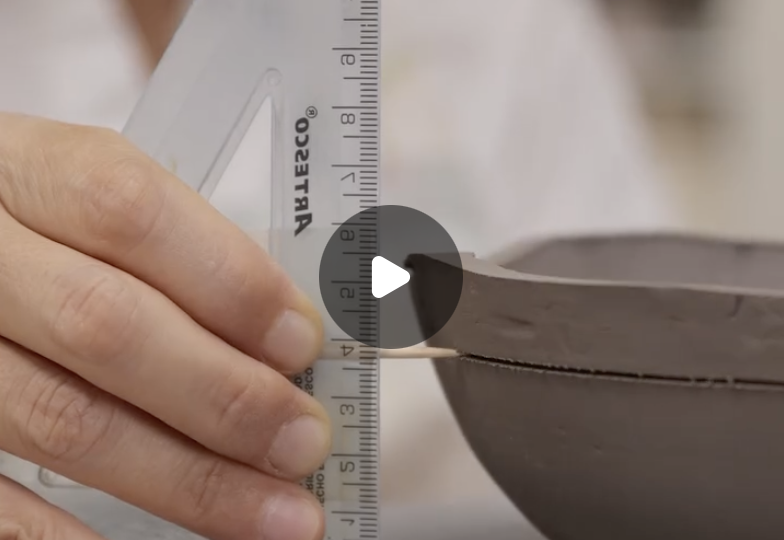
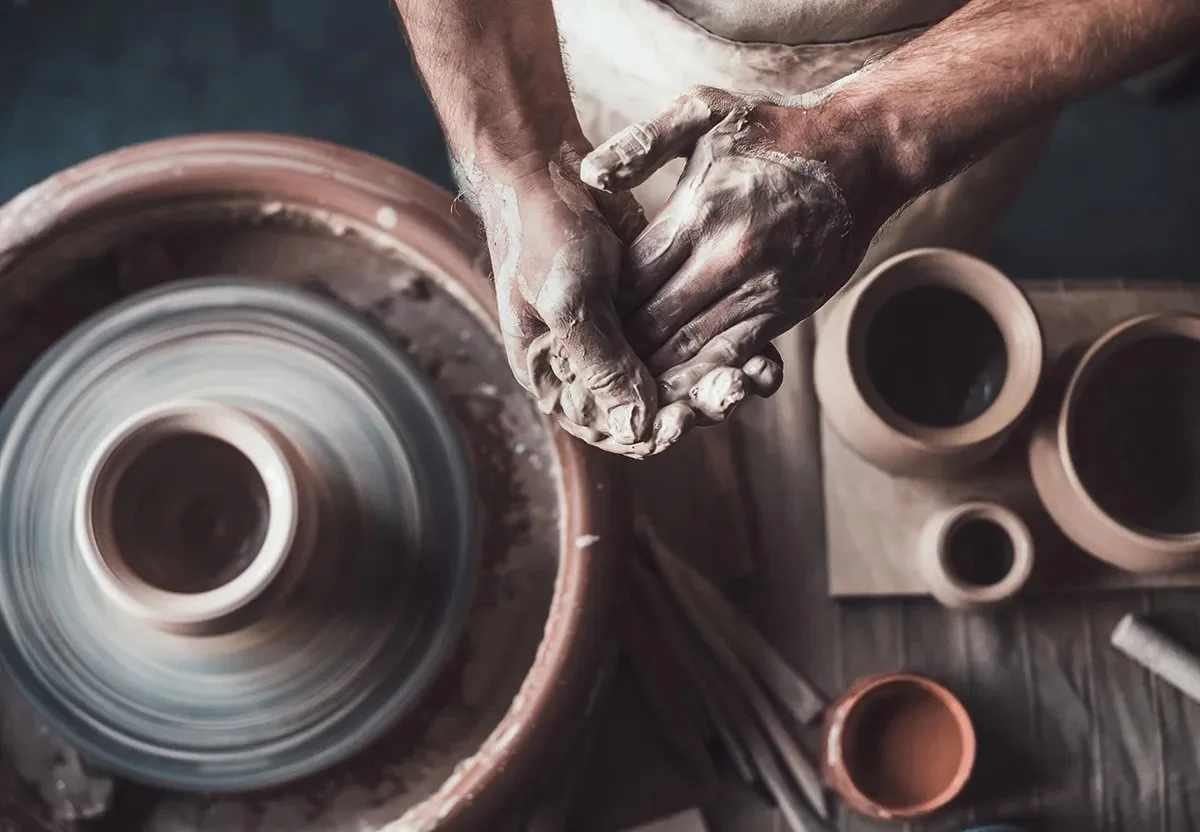
The 4 S’s of Pottery
As you begin working with clay, you’ll probably hear reference to the 4 S’s of pottery: four simple steps that guide every stage of making…
Making a Pottery Ruler
Steps to Make a Pottery Shrinkage Ruler
Prepare the Clay: Roll out a slab of your regular pottery clay to about 0.5–1 cm thickness, roughly 30 cm long and up to 5 cm wide…
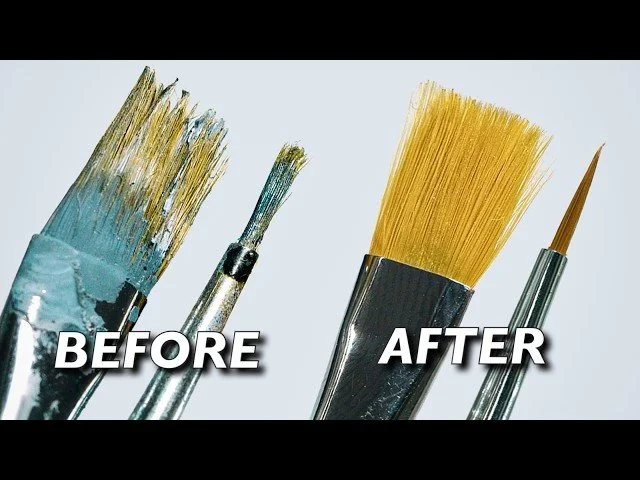
Looking After Brushes
Painting on pottery is an expression of creativity and relies on brushwork, especially when using underglazes for a specific pattern or story…
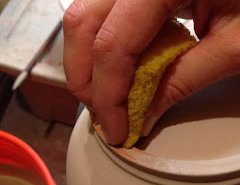
Wipe Your Bottom!
Correct glazing of your work is the responsiblity of the potter. Full stop. There are many different ways to do it correctly but it must be done on all glazed works…
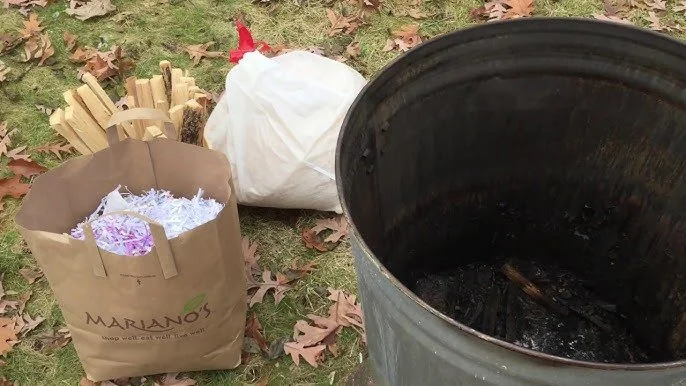
The Sawdust Firing Method
Sawdust firing is another type of pit fire and is dead simple as it lends itself to firing in an urban area [not much smoke, no high flames]. You will need a metal garbage can for this process and a quantity of clean, dry sawdust.

How to Pit Fire
People have been creating pottery for millennia and only more recently have kilns become popular. Here are a couple of ways to pit fire your pots at home. It is worth noting to take care when firing and do so in a cleared area away from buildings. It is also advisable to have some water, either a hose or a bucket to extinguish any fires that get out of hand.…
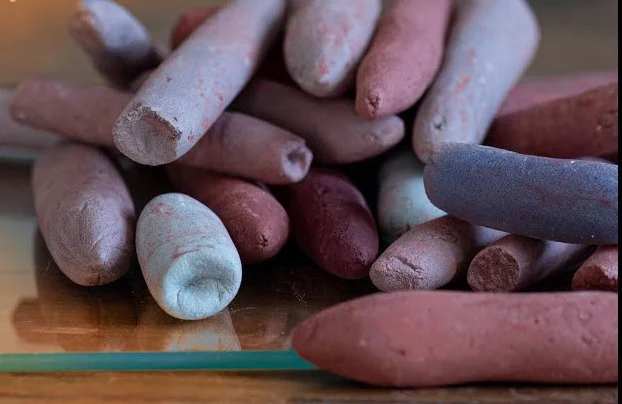
How to Make an Underglaze Pencil
To make underglaze pencils and pastels, use a porcelain-type slip with 50 percent white firing ball clay or plastic kaolin. For dry strength in the green state, 3 percent macaloid or 5 percent bentonite should be added…
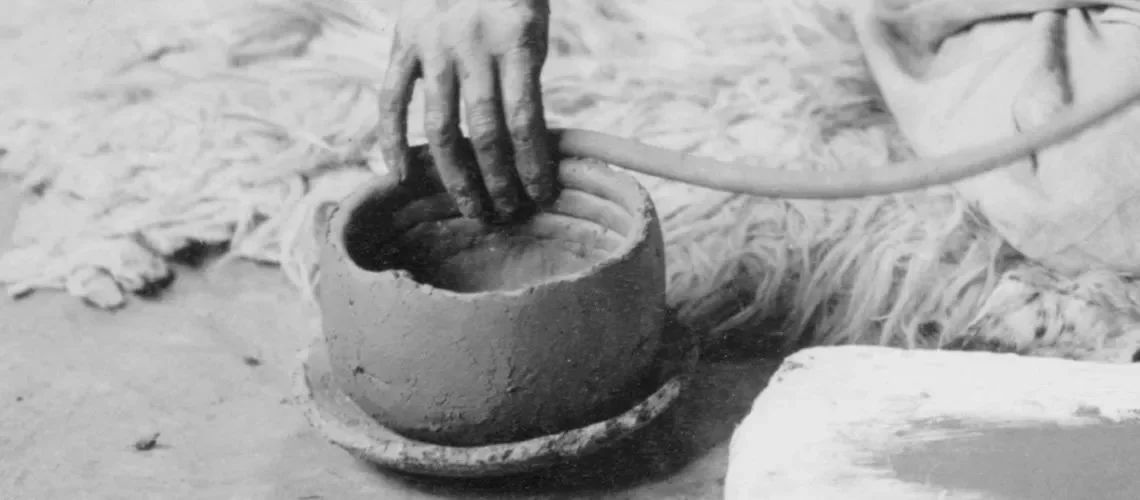
Downward Pressure in Coil Building
When coil building, joining coils downwards by pinching and smoothing them into the previous layer is a crucial technique. This downward technique, often referred to as "bonding pinch," creates a strong and seamless connection between the coils, preventing cracking and ensuring structural integrity.

Compression
To prevent cracks in pottery, especially those dreaded "S-cracks," compression is key. Compressing the clay, particularly the bottom and walls, helps align the clay particles, reduce water absorption, and minimize stress during drying.

What is Sgraffito?
Sgraffito is an artistic technique, often used in pottery, where a surface is decorated by scratching through the top layer of a coating like slip or underglaze, to reveal a contrasting colour or texture underneath. This usually occurs when the pottery is leather hard.